Introduction
Keloids and hypertrophic scars are types of raised scars that form after skin injuries. Both can cause discomfort and affect appearance. Keloid scar treatment and hypertrophic scar management are important for many people. These scars may look similar, but they have key differences. Understanding their symptoms, causes, and treatments can help you care for your skin. According to the World Health Organization (WHO), proper scar care can improve healing and reduce long-term problems.
Symptoms and Appearance
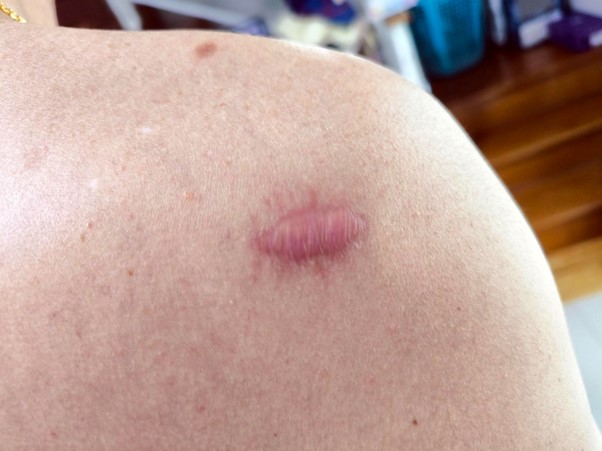
Both keloids and hypertrophic scars are raised and firm. However, they have some differences in how they look and feel. For example, keloids often grow beyond the original wound, while hypertrophic scars stay within the injury area. You may notice these signs:Raised, thick, or lumpy skin over a healed woundRed, pink, or dark color compared to surrounding skinItching, tenderness, or pain in the scar areaKeloids may keep growing over time, but hypertrophic scars usually flatten slowly
Sometimes, these scars can limit movement if they form over joints.
Causes and Risk Factors
Scars form as the body heals after an injury. However, keloids and hypertrophic scars happen when the body makes too much collagen. This extra collagen causes the scar to become raised. Several factors can increase your risk:Genetics: Some people are more likely to develop keloids, especially those with darker skin tonesAge: Young people between 10 and 30 years old are at higher riskType of injury: Cuts, burns, piercings, acne, or surgery can lead to these scarsLocation: Scars on the chest, shoulders, earlobes, or upper back are more likely to become keloids
According to the CDC, family history also plays a role in scar formation.
Diagnosis Methods
Doctors can usually diagnose keloids and hypertrophic scars by looking at the scar and asking about your medical history. Sometimes, they may gently press or measure the scar. In rare cases, a small skin sample (biopsy) may be needed to rule out other skin problems. Early diagnosis helps guide the best treatment plan.
Treatment Options
There are several ways to treat keloids and hypertrophic scars. The right choice depends on the scar’s size, location, and your health. Here are common options:
Medical Treatments
Prescription creams or gels to reduce itching and rednessSteroid injections to flatten and soften the scarSilicone sheets or gels to help flatten scars over timeCryotherapy (freezing) for small keloids
Surgical and Non-Surgical Treatments
Surgical removal for large or bothersome scars (plastic surgery scar care is important after removal)Laser therapy to improve color and texturePressure therapy using special dressingsRadiation therapy in rare cases, often after surgery
Doctors may use a combination of treatments for the best results. According to peer-reviewed journals, early treatment can prevent scars from getting worse.
Lifestyle Guidance and Self-Care
Proper self-care can help manage scars and improve healing. For example, you can:Keep the scar clean and moisturizedProtect the area from sun exposure by using sunscreen or covering the scarAvoid picking or scratching the scarFollow your doctor’s instructions for scar care products
With regular care, many scars become less noticeable over time.
Prevention Tips
While not all scars can be prevented, you can lower your risk. Here are some tips on how to prevent keloids and manage hypertrophic scars:Treat wounds quickly and keep them cleanAvoid unnecessary skin trauma, such as piercings or tattoos, if you are prone to keloidsUse silicone sheets or gels on new wounds as advised by your doctorApply sunscreen to healing scars to prevent darkening
Early care is key to better healing and less scarring.
When to See a Specialist
Sometimes, scars can cause pain, limit movement, or affect your confidence. If you notice a scar growing quickly, becoming painful, or changing color, see a doctor. In addition, if home treatments do not help, a plastic surgery specialist can offer advanced scar management. Early expert care can improve your results and comfort.
For personalized scar management advice, consult a plastic surgery specialist or dermatologist. They can help you choose the best treatment for your needs.